
Design Your Kitchen to Nudge Healthier Eating
Make Healthy Foods Impossible to Miss


Pantry Zoning That Nudges Smarter Cooking
Create a Prime Shelf for Everyday Staples
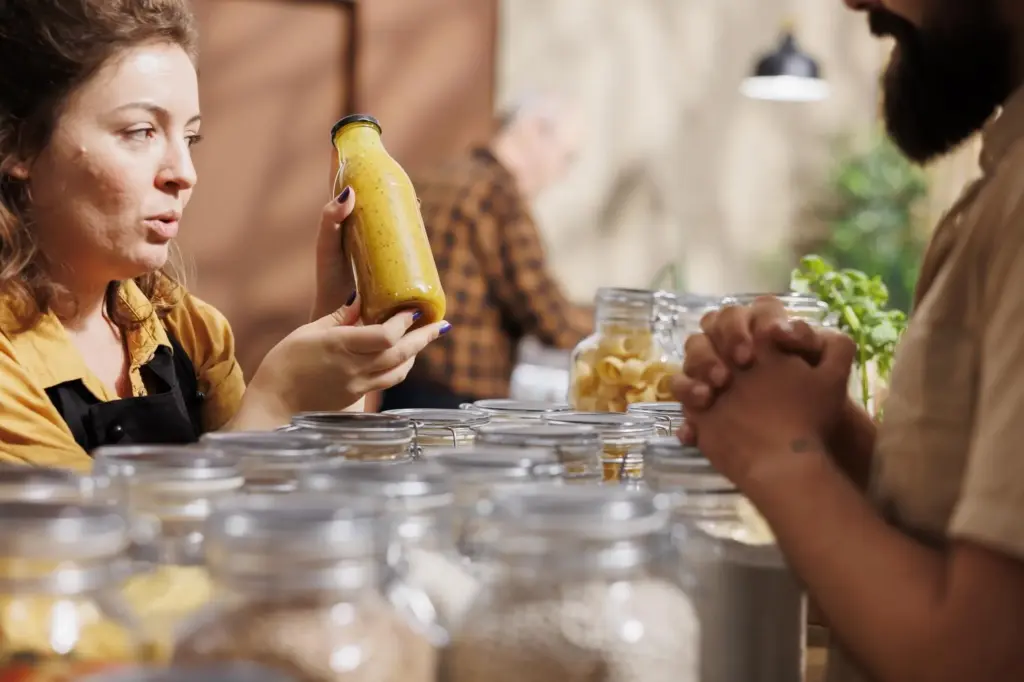
Give brown rice, quinoa, oats, beans, tomatoes, and spices a prime shelf where eyes naturally land. Use slim risers so nothing hides. When staples are easy to see, you assemble meals from foundations instead of fillers. That shelf becomes your culinary runway, launching soups, bowls, and pastas quickly. Invite family members to help restock, reinforcing shared memory and ownership, so smarter cooking feels seamless, inviting, and wonderfully repeatable on even the busiest nights.
Color-Coded Labels that Speak at a Glance
Color-code jars and bins to reduce friction: greens for grains, blues for legumes, yellows for snacks that pair with fruit or veggies. Use large, friendly fonts and minimal text. These visual shortcuts support tired brains and eager helpers alike. Kids can find ingredients independently, partners can prep without instructions, and visitors can actually help. When categories speak without words, healthy cooking feels like a creative game rather than a scavenger hunt through confusing containers.
Decoy Distance for Sweets and Snacks
Make treats available but less central by placing them on higher shelves or behind pantry bins. Add tiny delays like lids or clips that slow autopilot grazing. Keep pairing options nearby, like apples beside peanut butter, to refine impulsive cravings into thoughtful choices. This isn’t restriction; it’s gentle choreography. By shaping the journey from craving to bite, you build space for reflection, satisfaction, and balance without turning the pantry into a battleground of guilt.
Fridge Flow and Prep-Readiness
Prep Once, Benefit All Week
Hydration Station at Arm’s Reach
Leftovers as First-Class Citizens
Plates, Portions, and Subtle Psychology
Appliance Placement that Rewards Healthy Effort
Blender on Stage, Fryer Backstage
Knife and Board Ready to Roll
Steam, Roast, Repeat with Quick-Access Tools
Rituals, Defaults, and Family Agreements
All Rights Reserved.